The Role of Poker in Old West American Folklore
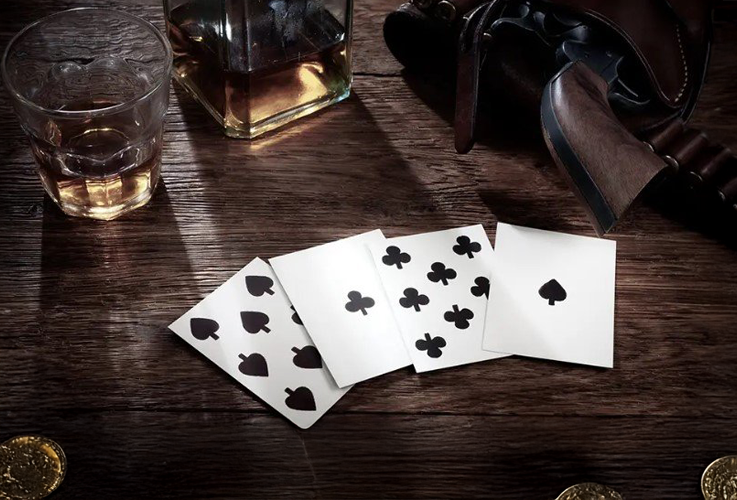
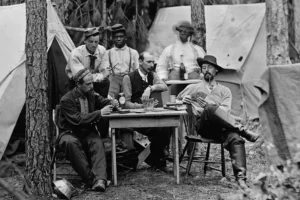
No scene of the Old West feels complete without a deck of cards and a poker table. Poker is deeply woven into Old West folklore, and that’s no invention of modern Hollywood films or AAA video games. Gambling held a special place in the formative years of the American frontier, a time when many of today’s most popular games of chance first rose to prominence across the U.S.
Yet poker stood above them all, becoming the game of choice for lawmen, pioneers, cowboys, and outlaws alike. The outcome of a hand could just as easily end in gunfire or a drunken brawl, and the best of the best distinguished themselves so thoroughly that their names still live on in America’s Poker Hall of Fame.
Gambling in the Old West
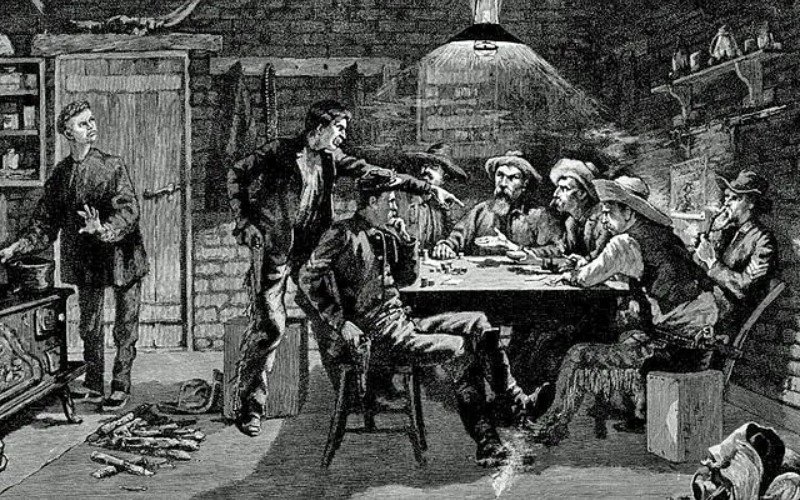
Gambling was a fixture of life in the dusty frontier towns. Working men flocked to the saloons, where the whiskey ran strong and the gaming tables promised fortune. There were no formal casinos or gaming houses at the time, unlike in Europe. In France, aristocrats played baccarat or roulette in palatial gambling courts, and it was only later that these games trickled down to the working classes. America, by contrast, built its gambling culture from the ground up among working men, and it later spread to the wealthy.
The Old West also had its share of dice games and the original version of roulette, played with double-zero wheels. It was an era when Ouija boards and fortune-telling games also found their footing. By the close of the 19th century, the first slot machines — nicknamed one-armed bandits — had been invented in the U.S. Dice games like Grand Hazard (a forerunner to craps) and Chuck-A-Luck were also widely available.
The Rise of Poker
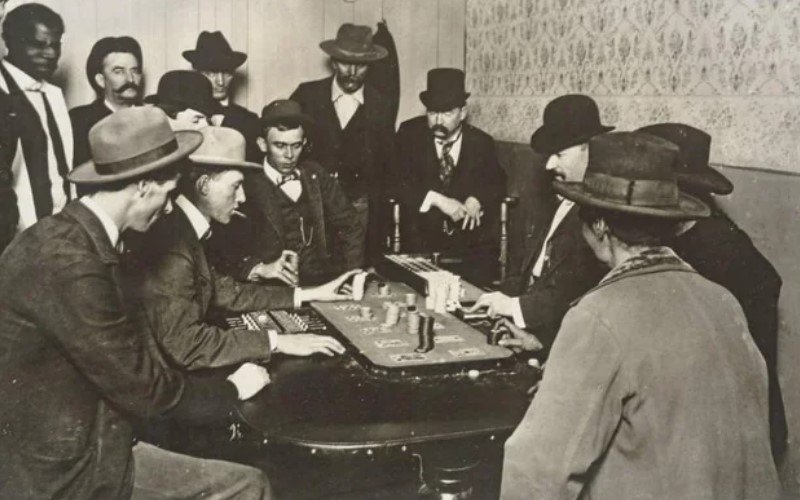
Card games were plentiful too. “21,” or blackjack, three-card monte, and, most popular of all, Faro, could be found everywhere. Faro, a French card game dating back to the 17th century, reached the height of its popularity during the 19th century. While it involved little strategy, the game revolved around drawing cards, and players won if they landed the right combination. Poker, a far more advanced and strategic game, gradually overtook it.
No other game offered the same sense of control and decision-making that poker did, and it was destined to become a frontier sensation. Its fast pace gave players the chance to wager large sums within a single sitting, and with reputations to protect — or live up to — men could easily find themselves betting everything they had. More than a few ended up losing it all, chasing their losses hand after hand. And the winners had to tread carefully, careful not to cross anyone who happened to be armed.
Legendary Poker Players of the Old West
The most celebrated poker player of the Old West was Bill Hickok, better known as Wild Bill. Wild Bill earned his name as a feared gunslinger and Civil War veteran who survived numerous shootouts and built a fearsome reputation. But he wasn’t just deadly with a gun — he was also one of the finest poker players the frontier ever produced. More than one shootout broke out because of a hand he won, including the one that ultimately cost him his life.
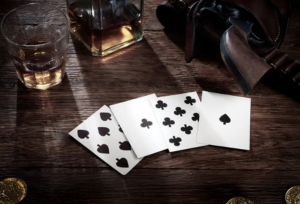
In 1876, Wild Bill beat a player named Jack McCall and cleaned him out at the table. The next morning, McCall returned, walked up behind Wild Bill, and shot him in the back. He died instantly, and the hand he held at the time — a pair of black aces and two black eights — became immortalized as the Dead Man’s Hand.
Then there was Doc Holliday, a dentist turned gunfighter and close friend of Wyatt Earp. He took part in numerous gunfights and was every bit as ruthless at the poker table. Wyatt Earp himself — lawman, buffalo hunter, and one of the era’s most recognizable figures — was also a well-known poker player. Countless others sat at the cards and helped build the legend of Old West poker, and not all of them were men. Lottie Deno and Poker Alice both found real success playing poker on the frontier, breaking the notion that it was a game for men alone.
Which Poker Variations They Played
While Texas Hold’em and Omaha are the two most popular forms of poker today, five-card draw was the most common variant back then. Games were often played with a 20-card deck and didn’t always involve a dealer or pot limits. Players wagered cash or chips, but they might just as easily bet cattle deeds, gold nuggets, or their own personal belongings.
After the American Civil War, five-card stud gradually took its place. With three rounds of betting and each player holding one hole card (face down) and one door card (face up), the goal was to build the best possible five-card poker hand. This variant relied on the same strategic instincts found in Texas Hold’em and other modern games today. Bluffing, reading the draw, and outwitting opponents were all part of the game. And because the psychological stakes ran deeper, tensions could easily boil over into high-stakes confrontations and brawls once the cards were down.
Simply knowing how to play wasn’t always enough. In many cases, you also needed some muscle — or a gun close at hand — in case tempers flared and weapons were drawn. Men like Wild Bill, already feared gunslingers in their own right, could lean on their reputation alone to rattle nervous opponents before a single card was dealt.
The Legacy of Old West Poker
The Old West undeniably pushed poker and faro to the center of American gambling culture. Faro has since faded into history, replaced by games like video poker and other poker variants that rely on a similar drawing mechanic. Poker, meanwhile, simply kept growing. Texas Hold’em, arguably the most popular form of poker today, was born in Texas in the early 20th century before quickly spreading to Vegas, where it took off at spots like the Golden Nugget. The first major boom came in the 1970s with the founding of the WSOP tournaments, followed by a second surge in the 2000s with the rise of online poker rooms.
Still, it’s fair to argue that poker might never have caught on the way it did without the influence and legacy of the Old West. The mystique and legendary figures — men like Wild Bill and Doc Holliday — helped popularize, and in some ways glamorize, the game. Even today, when people picture the Old West, most still think of five-card draw or the Dead Man’s Hand.
Article originally published by gaming.net, written by Daniel Craymer. Adapted and translated by Shrimp Boat Casino.